InterLink Proposes 50% Reduction in ITLG Emission Rate to Strengthen Long-Term Sustainability

- Updated Time: 24-12-2025
- 27493 times read
InterLink governance proposal, ITLG emission reduction, InterLink sustainability update, Web3 tokenomics reform, InterLink ecosystem development
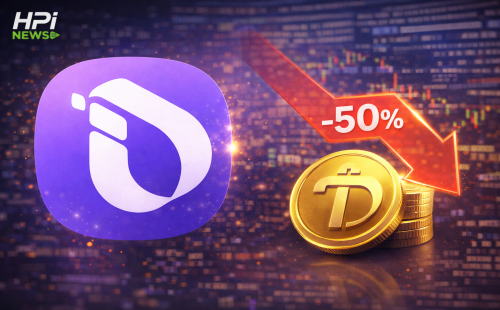
InterLink has proposed a 50% reduction in the ITLG emission rate as part of a broader sustainability-focused initiative. The proposal aims to reduce inflationary pressure, improve token economics, and support long-term ecosystem health through more responsible supply management.

InterLink has introduced a governance proposal to reduce the ITLG emission rate by 50%, signaling a strategic shift toward long-term sustainability and responsible token supply management.
Step 1: What the Proposal Includes
The proposal focuses on cutting the ongoing emission of ITLG tokens by half. This adjustment is designed to slow the rate at which new tokens enter circulation, reducing inflationary pressure on the ecosystem.
Such a move reflects InterLink’s intention to prioritize long-term network health over short-term expansion.
Step 2: Why Emission Reduction Matters
High emission rates can dilute token value and discourage long-term participation. By lowering emissions, InterLink aims to:
Improve token scarcity dynamics
Align incentives between users and the protocol
Support sustainable growth rather than rapid inflation
This approach is increasingly common among mature Web3 projects.
Step 3: Sustainability and Ecosystem Impact
The proposed change is closely tied to InterLink’s broader sustainability goals. Reduced emissions can help stabilize token economics, making the ecosystem more attractive to long-term contributors rather than short-term speculators.
It also strengthens the foundation for governance, rewards, and participation mechanisms built around Proof of Personhood.
Step 4: Governance and Community Involvement
As a governance proposal, the emission reduction is subject to community discussion and approval. InterLink emphasizes transparent decision-making, allowing participants to evaluate how the change may affect incentives, rewards, and ecosystem dynamics.
Community feedback will play a key role in shaping the final outcome.
Step 5: Long-Term Outlook
If implemented, the 50% emission reduction could mark a turning point for ITLG’s tokenomics. A more controlled supply model may enhance trust, encourage responsible participation, and support InterLink’s vision of a human-centered, sustainable Web3 ecosystem.
Conclusion
InterLink’s proposal to reduce ITLG emissions demonstrates a commitment to sustainability and disciplined token management. While the final decision rests with governance participants, the initiative reflects a growing emphasis on long-term value creation rather than short-term growth.